
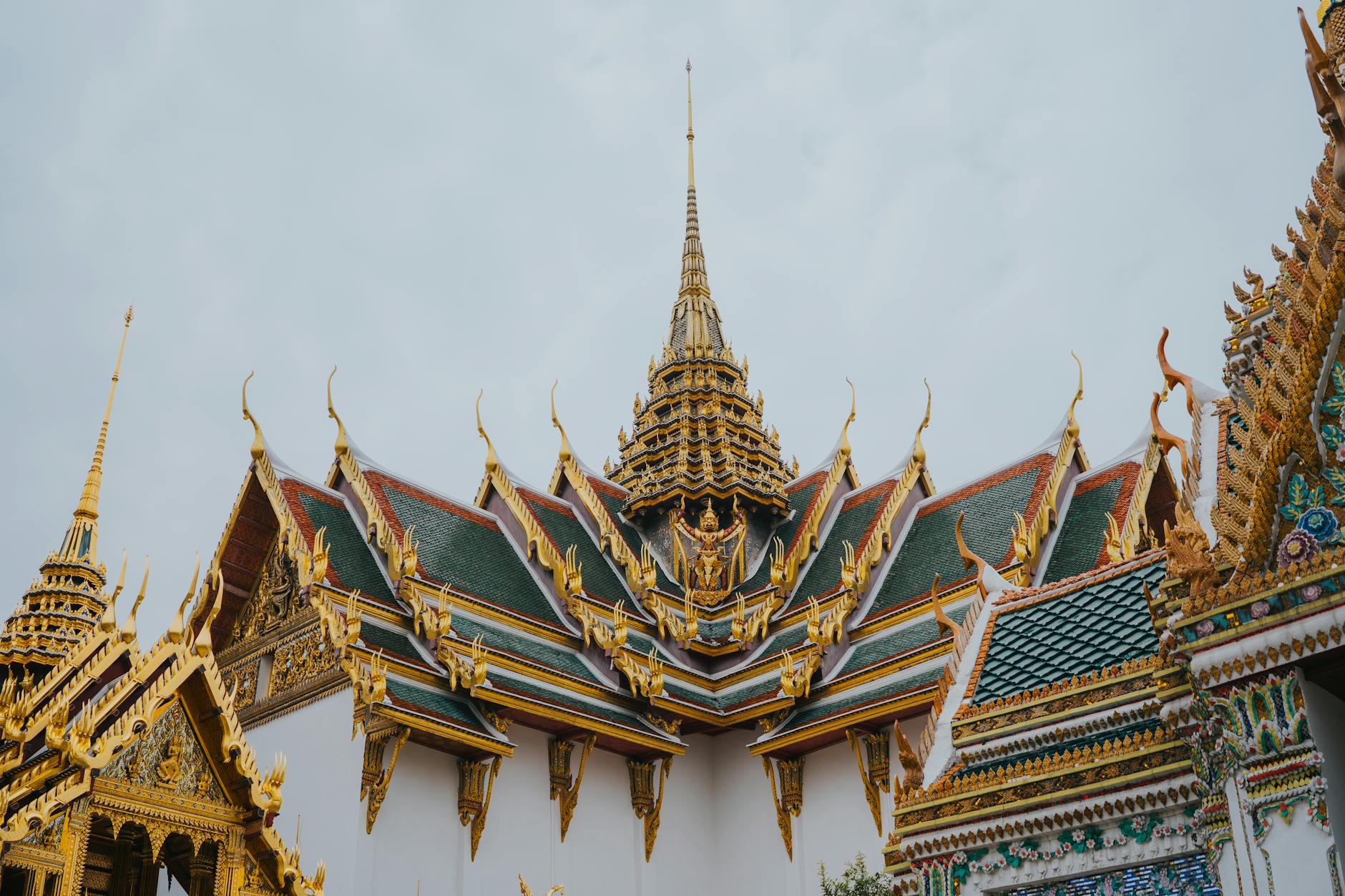
Surviving Songkran travel in Thailand means strategic planning: book accommodation and transport well in advance, embrace waterproof gear, and understand that April's intense heat combines with festive crowds. Prioritize safety, protect your valuables, and choose your preferred level of immersion in the water festivities. Bangkok, Chiang Mai, and Phuket offer distinct experiences, each requiring specific preparation for a memorable, albeit wet, celebration. This guide covers songkran travel survival guide in a practical way.
Songkran, Thailand's traditional New Year, is a vibrant, exhilarating festival celebrated with nationwide water fights. While incredibly fun, it coincides with April, the hottest month, and draws immense crowds, making travel logistics challenging. Understanding how to navigate the heat, manage the throngs, and secure suitable accommodation is crucial for transforming potential headaches into an unforgettable cultural immersion rather than a logistical nightmare.
Understanding Songkran: More Than Just Water
Songkran is far more than just a giant water fight; it is Thailand's most significant annual festival, marking the traditional Thai New Year. Rooted in Buddhist traditions, the water pouring originally symbolized purification, washing away sins and bad luck from the previous year. Today, this gentle ritual has evolved into a joyous, nationwide celebration characterized by exuberant water battles that engulf streets and communities.
The festival typically spans three to five days, officially from April 13th to 15th, though celebrations often extend before and after these dates. Beyond the playful splashing, many Thais visit temples, offer food to monks, and spend time with family. This blend of spiritual observance and boisterous fun creates a unique atmosphere unlike any other festival in the world.
A practical tradeoff for Songkran travelers is the balance between experiencing authentic cultural traditions and participating in the high-energy water fights. While you can certainly observe the more serene temple rituals, fully immersing yourself in the festivities means accepting you will get completely soaked. This requires a shift in mindset and preparation, as convenience often takes a backseat to the sheer joy of the moment.
Step-by-Step Guide: Navigating the Festivities
Planning for Songkran requires foresight, especially given its popularity and the timing during peak travel season. Secure your essentials early to avoid disappointment and inflated prices. This proactive approach will significantly enhance your experience and reduce stress once you arrive.
1. Book Accommodation and Transport Far in Advance
Songkran is one of Thailand's busiest times for both domestic and international tourism. Hotels, guesthouses, and flights book up months ahead, particularly in popular destinations like Bangkok, Chiang Mai, and Phuket. Aim to reserve your accommodation at least six to nine months prior, if not earlier. For specific advice on general holiday booking, you might find insights in this guide: How Far in Advance to Book Easter Travel in 2026? Guide.
Consider where you want to stay in relation to the main celebration zones. Some hotels actively participate, providing water guns and buckets, while others offer a quieter sanctuary. Researching specific hotel policies regarding Songkran activities can help you choose the best fit for your travel style. Remember, prices will be at their highest during this period.
2. Pack Smart and Waterproof
Your packing list for Songkran should revolve around staying cool and keeping valuables dry. Lightweight, quick-drying clothing is essential; think swimwear, shorts, and breathable fabrics. Forget your best designer clothes, as they will get drenched and potentially stained.
Crucially, invest in high-quality waterproof bags or pouches for your phone, passport, money, and any other electronics. Ziploc bags are a good start but often aren't enough for the relentless soaking. Many vendors sell waterproof phone cases on the streets during Songkran, but purchasing one beforehand ensures reliability.
3. Master Local Transportation
During Songkran, regular public transport, especially in city centers, can be significantly affected. Roads may be closed or become impassable due to water fights. Taxis and ride-sharing services might be harder to find or charge surge pricing, and you'll likely arrive soaked.
Consider walking if your destination is nearby, but be prepared for continuous water attacks. In some areas, tuk-tuks and songthaews (shared taxis) continue to operate, often becoming part of the water-throwing fun. Embrace the experience, but always confirm your fare beforehand.
4. Embrace the Water, But Stay Safe
The unwritten rule of Songkran is that no one is truly safe from a drenching. Embrace the spirit by buying your own water gun and participating, but always do so respectfully. Avoid aiming at monks, babies, or elderly individuals, and never use dirty water.
Stay hydrated by drinking plenty of bottled water, especially given April's heat. Be mindful of slippery surfaces and increased traffic. Keep an eye on your belongings, even if they are in a waterproof bag, as pickpocketing can occur in crowded areas.
Best Conditions for Enjoying Songkran
Maximizing your Songkran enjoyment involves strategic location choices and understanding the rhythms of the festival. Different cities offer unique vibes, allowing you to tailor your experience. Knowing when and where to immerse yourself can make all the difference.
Choosing Your Celebration Hub
Each major Thai city offers a distinct Songkran experience. Bangkok is home to massive street parties, notably on Khao San Road and Silom, where crowds are dense and the water fights are relentless. For a more traditional experience, focus on areas around temples.
Chiang Mai is renowned for its moat-side celebrations, where locals and tourists line the ancient city walls, scooping water from the moat itself. It’s a very communal and spirited affair. Phuket, particularly Patong Beach, blends beach relaxation with intense water battles along the main streets.
A real-world constraint during Songkran is the significant reduction in mobility, especially in popular zones. Roads are often gridlocked or closed, making it difficult to travel quickly between different areas or escape the water. Plan your day around staying in one general vicinity once the festivities begin.
Timing Your Immersion
While Songkran officially runs for three days, the most intense water fights typically occur on April 13th and 14th. Mornings often start with more traditional activities, with the water battles escalating from late morning through to early evening. Nights are generally drier, offering a chance to explore markets or enjoy a meal without fear of being soaked.
If you prefer a slightly less intense experience, consider participating in the early mornings or focusing on areas further away from the main tourist hotspots. Even then, expect to get wet at some point. It's a festival where participation is almost mandatory.

Common Mistakes and How to Avoid Them
Even seasoned travelers can make missteps during Songkran if they're not adequately prepared. Being aware of these common pitfalls can save you a lot of hassle and ensure a smoother, more enjoyable trip. Preparation is key to navigating this unique celebration.
1. Not Protecting Electronics (Beginner Mistake)
This is perhaps the most common beginner mistake. Many travelers underestimate the sheer volume and force of water during Songkran. A simple splash guard won't cut it; your phone, camera, and even waterproof watches need serious protection. Fully submergible dry bags are your best friend.
Imagine trying to capture a photo of the vibrant street scenes, only for your phone to become waterlogged within minutes. It's a quick way to ruin your day and potentially an expensive piece of equipment. Always double-check seals and consider leaving non-essential electronics at your accommodation.
2. Underestimating the April Heat
April is consistently Thailand's hottest month, with temperatures often soaring above 35°C (95°F) and high humidity. While the water is refreshing, prolonged exposure to the sun, combined with getting wet repeatedly, can lead to heatstroke or severe sunburn. For more details on April weather, check out this article: Thailand in April: Is t.
Always wear sunscreen, a wide-brimmed hat, and sunglasses (ideally cheap ones that you won't mind losing or getting wet). Seek shade regularly and drink copious amounts of water throughout the day. The cooling effect of the water can be deceptive, masking the true intensity of the sun.
3. Ignoring Local Customs and Etiquette
While Songkran is incredibly fun and often chaotic, it's still a deeply cultural and religious festival. Avoid throwing water at monks, the elderly, or very young children. Do not use ice water, as it can be genuinely uncomfortable and even dangerous.
Respect people's wishes if they signal they do not want to be wet, though in major celebration zones, this is rare. A small comparison: think of it less like a chaotic free-for-all and more like a massive, joyous community event with unwritten rules. Understanding these nuances ensures a more respectful and enjoyable interaction for everyone.
4. Not Having Enough Cash
Many street vendors and smaller shops operate on a cash-only basis. With everything getting wet, credit card machines might not be easily accessible or functional. ATMs can also run out of cash quickly, especially in popular areas.
Ensure you have a good supply of small denominations of Thai Baht in a waterproof pouch. This will make purchasing water guns, snacks, drinks, and other essentials much smoother. Planning ahead for your cash needs avoids frustrating delays.
Troubleshooting Unexpected Situations
Even with the best preparation, travel can present unforeseen challenges. Knowing how to react calmly and effectively can prevent minor issues from becoming major problems during the high-energy Songkran festival. Being resourceful is key.
Lost or Damaged Items
Should your phone or camera succumb to the water despite your best efforts, or if you accidentally drop something important, don't panic. Most major cities have repair shops for electronics, though services might be slower during the festival. For lost items, retrace your steps if possible, and check with nearby vendors or hotel staff. Filing a police report might be necessary for insurance claims, but keep expectations low for immediate recovery during such a busy period.
Feeling Overwhelmed by Crowds
The sheer volume of people during Songkran, especially in hotspots like Khao San Road or around the Chiang Mai moat, can be overwhelming for some. If you find yourself feeling claustrophobic or anxious, seek out quieter side streets or duck into a café or shop for a break. Remember, you don't have to be in the thick of the action constantly. Taking a moment to regroup can recharge your spirits.
Minor Injuries or Illnesses
Slips and falls on wet surfaces are common, as are minor cuts or scrapes from navigating crowds. Always carry a small first-aid kit with essentials like antiseptic wipes, band-aids, and pain relievers. If you experience heat exhaustion, find shade immediately, drink water, and cool your body. For anything more serious, seek out a local pharmacy or clinic; Thailand has excellent medical facilities, but be prepared for potential delays during the festival.
FAQ
When exactly is Songkran celebrated?
Songkran officially runs from April 13th to 15th each year. However, in some regions, particularly in the north like Chiang Mai, festivities can begin a day or two earlier and extend for up to a week. It's always best to check local schedules for the specific area you plan to visit.
Is Songkran safe for children?
Yes, Songkran can be very safe and enjoyable for children, but supervision is crucial. The water fights can be intense, so keep younger children away from the most crowded and boisterous areas. Many families enjoy more gentle celebrations in residential areas or within hotel grounds. Ensure they wear appropriate sun protection and stay hydrated.
What kind of clothing should I wear?
Opt for lightweight, quick-drying clothing that you don't mind getting completely soaked. Swimwear underneath shorts and a t-shirt is ideal. Bright colors are popular, and many locals wear traditional floral shirts. Avoid heavy denim or anything that takes a long time to dry and can become uncomfortable.
Can I avoid the water fights entirely?
While it's difficult to avoid getting wet entirely in major cities during Songkran, you can minimize your exposure. Staying in your hotel, visiting temples early in the morning, or traveling to less touristy regions might offer some reprieve. However, even then, expect an occasional splash, as it's a nationwide celebration.
How do I protect my passport and money?
The best way to protect your passport, money, and other crucial documents is to use a high-quality, fully waterproof dry bag or pouch worn securely under your clothing. Consider carrying only a photocopy of your passport and a limited amount of cash on your person, leaving the originals and bulk of your money in a secure hotel safe.
Final Thoughts
Songkran in Thailand is an unparalleled experience, a vibrant tapestry of tradition, joy, and exhilarating chaos. While it presents unique challenges with the heat, crowds, and constant soaking, these are all part of its charm. With careful planning, a respectful attitude, and a readiness to embrace the unexpected, you'll find yourself swept up in one of the world's most memorable festivals. Prepare well, stay safe, and dive headfirst into the refreshing spirit of the Thai New Year.