
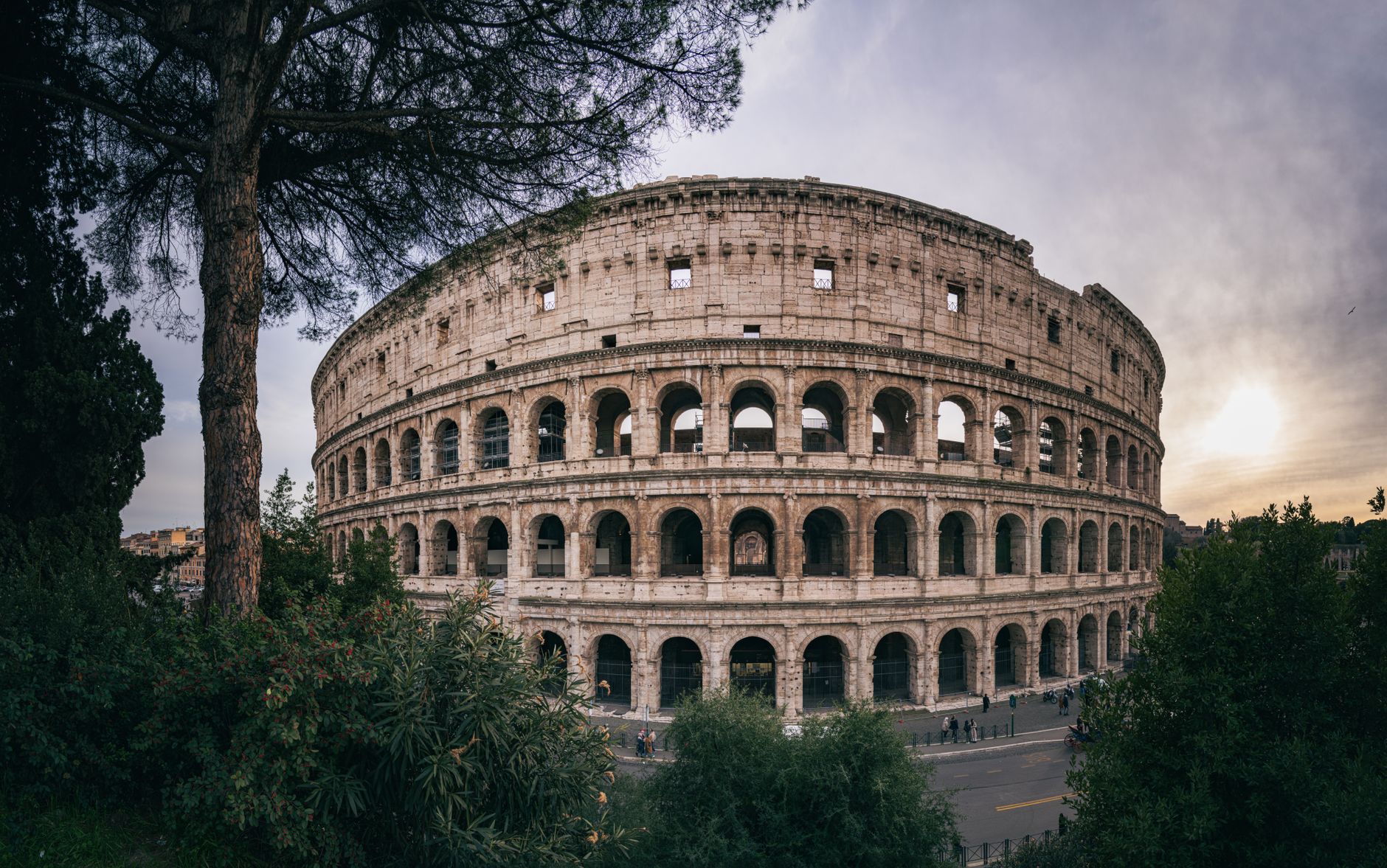
Rome in April With Kids: Is It Worth It and How Busy Does It Feel?
Planning a family trip to Rome in April presents a classic travel dilemma: embrace the beautiful spring weather or brace for the crowds that come with it? While the Eternal City in spring offers milder temperatures and blooming gardens, it also coincides with peak tourist season, often including Easter and school holidays. For families traveling with children, this tradeoff between idyllic weather and potential logistical challenges is a crucial consideration. This guide covers rome in april with kids in a practical way.
Deciding whether April is the ideal time for your family to experience Rome hinges on several factors, including your tolerance for crowds, your budget, and your children's ages. A well-planned itinerary, however, can transform a potentially overwhelming trip into an unforgettable adventure, even amidst the bustle. This guide will help you navigate the pros and cons, offering practical advice for making the most of a Roman holiday with little ones during this vibrant month.
Quick Comparison: Rome in April vs. Other Seasons for Families
When considering a family trip to Rome in spring, it’s helpful to compare it with other times of the year. Summer, from June to August, brings scorching heat, making sightseeing uncomfortable for children and adults alike, despite the longer daylight hours. Accommodation prices are often at their highest, and queues for popular attractions can be exceptionally long.
Autumn, particularly September and October, offers a pleasant alternative with comfortable temperatures and slightly fewer crowds than April, though still busy. The days are shorter, but the golden light over the ancient ruins is truly magical. Winter, from November to March, is the quietest period, with lower prices and fewer tourists, but the weather can be chilly and rainy, limiting outdoor activities.
April strikes a balance, offering generally agreeable weather that is perfect for exploring on foot without the intense summer heat. While it does see significant tourist influx, especially around Easter, the mild conditions allow for comfortable outdoor dining, park visits, and extended walks. The key is to be prepared for the crowds and have strategies in place to manage them effectively with kids.
A small comparison between early April and late April reveals subtle differences. Early April might be slightly cooler and less crowded if Easter falls later in the month. Late April, on the other hand, often brings warmer, more consistently sunny days but can also overlap with Italian public holidays, leading to increased domestic tourism.
Navigating the Crowds: Strategies for a Family Trip to Rome in Spring
One of the main concerns for families planning a Rome in April with kids trip is the sheer volume of tourists. However, with a strategic approach, you can minimize stress and maximize enjoyment. The best conditions for visiting popular sites involve early mornings or late afternoons, avoiding the midday rush when tour groups are most prevalent.
A step-by-step guide to crowd management begins with booking everything in advance. This includes accommodation, flights, and, most critically, timed entry tickets for major attractions like the Colosseum, Vatican Museums, and Borghese Gallery. Skipping the ticket lines can save hours of waiting, which is invaluable when traveling with impatient children.
Next, consider investing in the Roma Pass or Omnia Card if your itinerary includes many paid attractions and extensive public transport use. While not always cost-effective for every family, they can offer convenience and fast-track entry. Always calculate if the value outweighs the cost for your specific plans.
When planning your daily schedule, incorporate plenty of downtime and opportunities for kids to run free. Rome has numerous beautiful parks and piazzas where children can unwind and play, such as Villa Borghese or Villa Ada. These breaks are essential for preventing meltdowns and ensuring everyone enjoys the pace of the trip.
Remember that flexibility is your best friend. If a particular site is unexpectedly crowded, have a backup plan. Perhaps a less-known church, a gelato break, or a detour to a charming side street could offer a pleasant alternative. Embrace the spontaneity that travel often demands, especially with young travelers.
Another practical tradeoff is choosing between central but potentially noisy accommodations versus slightly peripheral but quieter options. Staying near a metro station can offer excellent access to attractions without being directly in the busiest tourist hubs. This can provide a peaceful retreat after a day of exploration.
Crafting Your Rome Itinerary with Children: What to See and Do
Designing a Rome itinerary with children requires balancing historical immersion with kid-friendly activities. The key is to keep activities varied, engaging, and relatively short to maintain interest. Don't try to cram too much into one day; Rome is best enjoyed at a leisurely pace.
For ancient Rome, focus on the highlights. The Colosseum and Roman Forum are must-sees, but consider a guided tour specifically designed for families, often featuring interactive elements or treasure hunts. These can bring history to life in a way that keeps kids captivated. The Pantheon, with its remarkable oculus, is another awe-inspiring site that usually doesn't require extensive queueing.
The Vatican City, home to St. Peter's Basilica and the Vatican Museums, can be overwhelming. Prioritize St. Peter's Basilica for its grandeur and scale, but be mindful of dress codes. If visiting the Vatican Museums, focus on specific galleries or consider an early morning visit to the Sistine Chapel before the main crowds arrive. Keep the visit relatively brief to avoid sensory overload for children.
Rome offers more than just ancient ruins and religious sites. Children often delight in the simple pleasures of Italian life. Enjoying authentic gelato multiple times a day is practically a rite of passage. Exploring the beautiful Borghese Gardens, renting a rowboat on the lake, or even a casual picnic can provide a much-needed break from historical sites.
Hands-on experiences can also be incredibly rewarding. Consider a pizza-making class or a gladiatorial school experience, where kids can dress up and learn about ancient Roman combat. These activities not only entertain but also offer unique cultural insights that will be remembered long after the trip concludes.
Don't forget the charming neighborhoods. Trastevere, with its cobblestone streets and lively atmosphere, is perfect for an evening stroll and dinner. Testaccio market offers a vibrant sensory experience with delicious food stalls. These areas provide a glimpse into local Roman life away from the most intense tourist hotspots.
Common Mistakes and How to Avoid Them
A beginner mistake many families make is underestimating the walking involved in Rome. The city is best explored on foot, but little legs tire quickly. Ensure you bring a comfortable stroller for younger children or plan frequent breaks. Comfortable shoes for everyone are non-negotiable.
Another common oversight is failing to book accommodations with air conditioning, especially if visiting late April. While spring temperatures are generally mild, unseasonably warm days can occur, and returning to a cool room can be a lifesaver. Check reviews carefully for this amenity.
Ignoring public transport options is another error. While walking is ideal, Rome's metro, buses, and trams are efficient ways to cover longer distances or give tired feet a rest. Learn the basics of the system beforehand to save time and frustration. A day pass can be a convenient option for families.
Many families also fall into the trap of over-scheduling. Trying to see every single landmark will lead to burnout and grumpy children. Prioritize a few key attractions each day and allow ample time for spontaneous discoveries, gelato stops, and playground visits. Remember, a relaxed pace makes for a happier family.
Finally, not packing appropriately for variable spring weather is a mistake. April in Rome can be unpredictable, with sunny mornings turning into rainy afternoons. Layers are essential. For more detailed advice, check out this guide on Avoid April Trip Packing Mistakes: Layering for Variable Spring Weather. Always carry a light jacket or umbrella.
When This Advice Changes: Easter and Beyond
The advice for visiting Rome in April with kids undergoes a significant shift if your trip coincides with Easter. Rome Easter crowds are legendary, transforming the city into a bustling pilgrimage site. During Holy Week and Easter weekend, expect exponentially higher prices for accommodation and flights, massive crowds around Vatican City, and potential closures or altered hours for some attractions.
A real-world constraint during Easter is the sheer difficulty of navigating the city. Public transport can be overwhelmed, and popular restaurants may require reservations weeks in advance. If your primary goal is to experience religious ceremonies, then Easter is the time to go, but be prepared for a very different travel experience compared to other weeks in April.
If you prefer a quieter experience, scheduling your trip for early April, before Holy Week, or late April, after the Easter rush, is highly recommended. Even then, be aware of other Italian public holidays, such as Liberation Day (April 25th) and Labor Day (May 1st), which can also lead to increased domestic tourism and some closures.
For those who do visit during Easter, booking private tours or tours specifically designed to bypass lines becomes even more critical. Consider staying further away from the Vatican to avoid the densest crowds. Embrace the festive atmosphere, but manage your expectations regarding efficient sightseeing.
Final Thoughts
A family trip to Rome in spring can be an incredibly rewarding experience, offering a blend of comfortable weather and vibrant city life. While the presence of crowds, particularly during Easter, is a real consideration, thoughtful planning and a flexible attitude can mitigate most challenges. By prioritizing experiences, booking ahead, and embracing the Roman pace, you can create cherished memories with your children amidst the grandeur of this historic city.
Whether you're marveling at ancient ruins, tossing a coin in the Trevi Fountain, or simply enjoying a family meal in a bustling piazza, Rome in April holds immense potential for a magical family adventure. Just be prepared, stay flexible, and allow yourselves to be swept up in the charm of the Eternal City. If you're considering other April destinations, Lisbon in April: 4-Day Itinerary for Food, Views & Day Trips offers another fantastic spring option.
FAQ
Is April a good time to visit Rome with a toddler?
April can be a good time for toddlers due to the mild weather, which is more comfortable than the summer heat. However, the crowds can be challenging. Plan for frequent stroller breaks, utilize baby carriers in crowded areas, and prioritize parks and less intense attractions. Consider quieter neighborhoods for accommodation.
What are the best kid-friendly attractions in Rome?
Beyond the major sites, kid-friendly attractions include the Explora Children's Museum, the Borghese Gardens (with bike rentals and a zoo), the Time Elevator (a 5D historical experience), and simply enjoying gelato or pizza. Gladiator school experiences or pizza-making classes are also very popular with children.
How can we avoid long lines at the Colosseum and Vatican?
The best way to avoid long lines is to book timed entry tickets online well in advance, preferably directly from the official websites. Consider purchasing a guided tour that includes skip-the-line access, especially for the Vatican Museums. Arriving right at opening time or late in the afternoon can also help.
What should we pack for Rome in April with kids?
Pack layers, as April weather can be variable. Include light sweaters, long-sleeved shirts, comfortable walking shoes for everyone, a light waterproof jacket or umbrella, and sun protection (hats, sunscreen). Don't forget any essential medications and a small first-aid kit for minor scrapes.