
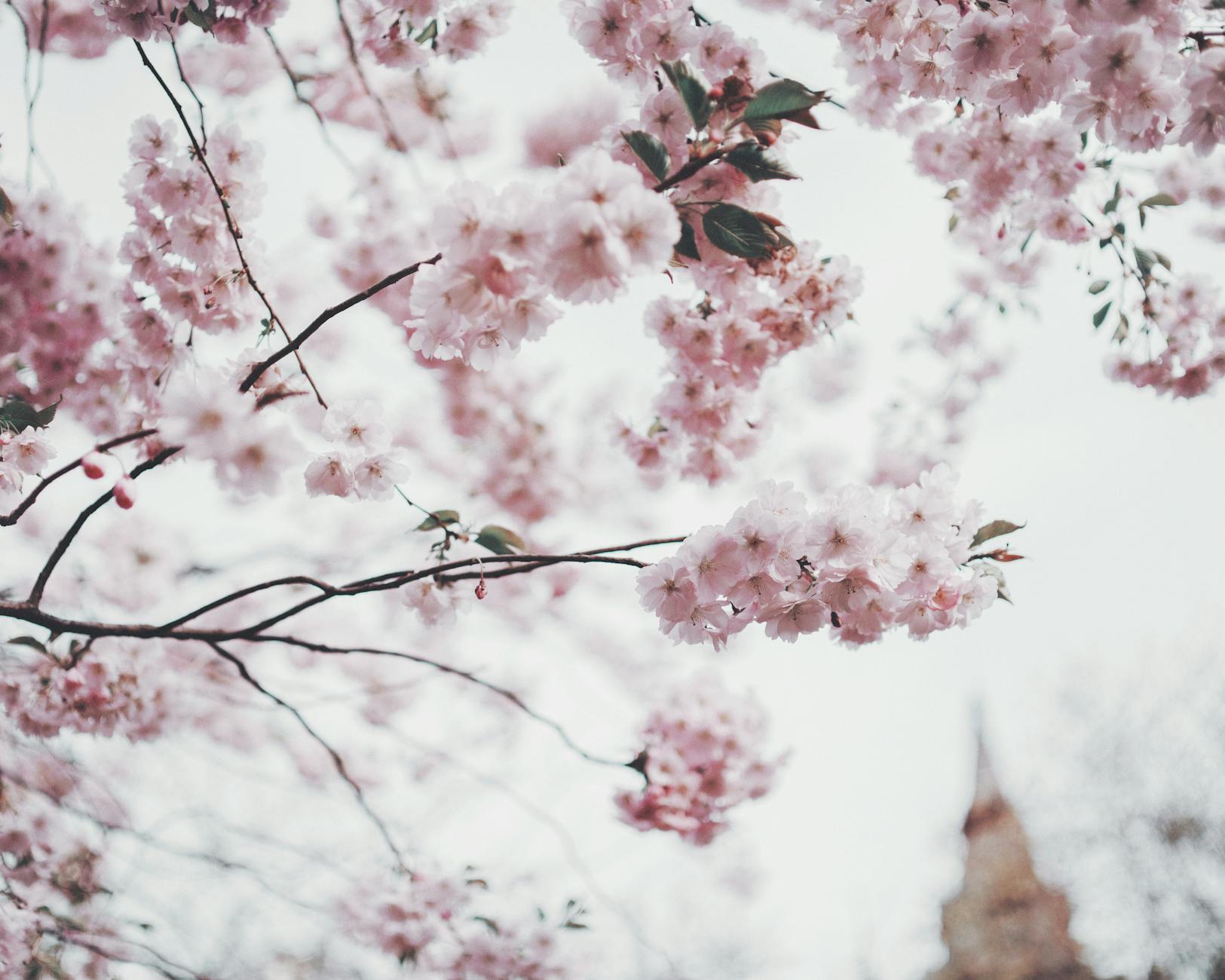
Quick Answer: How Many Days for a Japan Spring Trip?
For a focused Japan spring trip centered on cherry blossoms (sakura) and culinary delights, a duration of 7 to 10 days is generally considered ideal. This timeframe allows you to experience key cities like Tokyo and Kyoto, witness iconic sakura spots, and savor a variety of seasonal foods without feeling overly rushed. If you wish to explore more regions, chase late-blooming sakura, or simply travel at a more leisurely pace, extending your journey to 14 days offers a richer, more immersive experience. This guide covers how many days for japan spring trip in a practical way.
Why This Matters: Maximizing Your Sakura & Food Adventure
Planning the optimal length for your Japan spring trip is crucial for a memorable experience. Japan in spring is a sensory feast, but it's also a period of high demand and intricate timing, especially if you're chasing the fleeting beauty of cherry blossoms. An improperly planned itinerary can lead to rushed travel, missed opportunities, or disappointment.
Understanding how many days for a Japan spring trip you truly need ensures you can balance sightseeing with culinary exploration. It allows for flexibility, which is vital given the unpredictable nature of the sakura bloom. A well-considered trip length prevents the common beginner mistake of over-scheduling, trying to cram too many cities or activities into a short timeframe, which often leads to exhaustion rather than enjoyment.
Step-by-Step Guide: Crafting Your Sakura & Food Itinerary
3-5 Days: A Taste of Spring
While brief, a 3-5 day trip can be incredibly rewarding if focused on one major city. This is perfect for those with limited time, perhaps as an add-on to a business trip or a quick getaway. You'll need to be decisive about your priorities, whether it's the urban energy of Tokyo or the traditional charm of Kyoto.
- Focus: Choose either Tokyo (Ueno Park, Shinjuku Gyoen, Imperial Palace East Garden, Tsukiji Outer Market, Ginza dining) or Kyoto (Philosopher's Path, Arashiyama Bamboo Grove, Gion, Nishiki Market, traditional kaiseki).
- Pace: Fast-paced, requiring efficient transport and pre-booked attractions.
- Food: Prioritize specific culinary experiences like sushi in Tokyo or matcha and tofu dishes in Kyoto.
7 Days: The Classic Sakura & Food Introduction
A 7-day itinerary offers a fantastic introduction to Japan's spring beauty and gastronomic scene. This is a popular choice for many first-time visitors, allowing a good balance between iconic sights and culinary exploration. You can comfortably explore two major hubs, typically Tokyo and Kyoto.
- Day 1-3: Tokyo. Arrive, explore central Tokyo (Shinjuku, Shibuya), visit sakura spots like Ueno Park and Chidorigafuchi. Indulge in diverse dining from ramen to high-end sushi.
- Day 4-7: Kyoto. Take the Shinkansen to Kyoto. Explore temples, geisha districts, and the Philosopher's Path for sakura. Enjoy traditional Japanese cuisine, including kaiseki and street food from Nishiki Market.
- Comparison: Unlike a whirlwind 7-Day Europe in April Budget: Realistic Costs for Your Trip, a Japan spring journey often benefits from more dedicated time to truly appreciate its nuances. This duration provides enough time to absorb the atmosphere.
10-14 Days: Deep Dive into Spring's Splendor
For those asking, "how many days for Japan spring trip" to truly immerse themselves, 10 to 14 days is the sweet spot. This allows you to combine Tokyo and Kyoto with other fascinating cities or regions, providing a more comprehensive "sakura food trip." You can add Osaka for its vibrant food scene, Hiroshima for its poignant history, or even venture to lesser-known areas for different sakura varieties.
- Day 1-4: Tokyo. Explore major districts, enjoy prime sakura viewing, and delve into Tokyo's cutting-edge food scene. Consider a day trip to Hakone for views of Mt. Fuji.
- Day 5-8: Kyoto & Nara. Discover Kyoto's temples, gardens, and traditional crafts. Take a half-day trip to Nara to feed the deer and see Todai-ji Temple, often surrounded by late-blooming cherry trees.
- Day 9-11: Osaka & Hiroshima. Travel to Osaka, known as Japan's kitchen. Enjoy street food like takoyaki and okonomiyaki. Take a day trip to Hiroshima and Miyajima Island for its floating torii gate and serene sakura.
- Day 12-14: Flex/Relax. Return to Tokyo or explore a new region like Kanazawa (for its beautiful garden and samurai district) or the Fuji Five Lakes area. This extra time allows for flexibility if you need to chase late blooms or revisit a favorite spot.
- Tradeoff: The tradeoff for a longer trip is often a higher budget, but it allows for a more relaxed pace and deeper immersion into Japanese culture and cuisine.
Best Conditions for Your Japan Spring Trip
The best time for a sakura food trip typically falls between late March and early April, though this varies significantly by region. Southern Japan (Kyushu) sees blossoms first, while northern Japan (Hokkaido) blooms later, sometimes into early May. Central Honshu, encompassing Tokyo and Kyoto, usually peaks in the first week of April.
Weather during spring is generally pleasant, with mild temperatures and occasional rain. While the exact timing of the cherry blossom peak is a real-world constraint, unpredictable year to year, following bloom forecasts diligently will help. These forecasts are usually released starting in January and updated weekly as spring approaches.
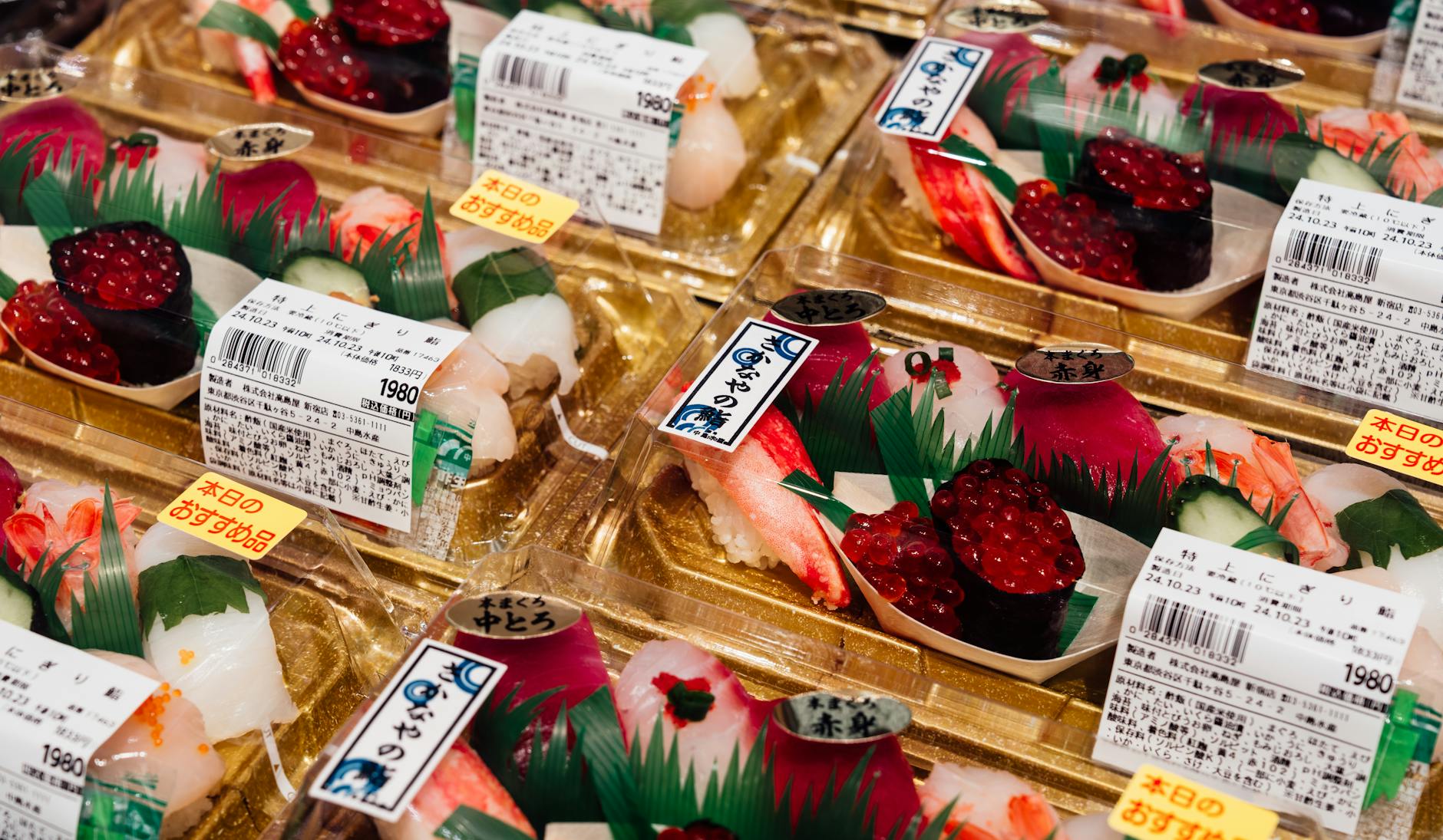
Common Mistakes to Avoid
One common beginner mistake is not booking accommodations and flights far in advance. Spring, especially cherry blossom season, is Japan's busiest tourist period. Hotels, ryokans, and popular flights can be fully booked or exorbitantly priced months ahead. Aim to book at least 6-9 months out.
Another error is trying to see too much in too little time. Japan offers an incredible array of experiences, but rushing through them diminishes the enjoyment. Prioritize quality over quantity. Instead of trying to hit every major city, select a few and explore them deeply.
Finally, underestimating the crowds is a frequent oversight. Popular sakura spots, especially in Tokyo and Kyoto, will be packed. Be prepared for queues, and consider visiting popular parks early in the morning or late in the afternoon to avoid peak congestion. Embrace the festive atmosphere rather than fighting it.
Troubleshooting Your Japan Spring Adventure
What if the Sakura Blooms Early or Late?
The unpredictable nature of cherry blossoms is a classic travel challenge. If forecasts change, be prepared to adjust your itinerary. Consider purchasing a Japan Rail Pass (if your travel covers multiple regions) which offers flexibility for last-minute changes. Research late-blooming varieties like Yaezakura or specific regions known for later blooms, such as Northern Honshu or the Fuji Five Lakes area. Flexibility is key to success.
Dealing with Crowds and High Prices
During peak sakura season, crowds and prices are unavoidable. To mitigate this, consider visiting less famous, but equally beautiful, cherry blossom spots. Many smaller towns and residential areas have stunning sakura displays without the tourist hordes. For dining, make reservations well in advance for popular restaurants, or explore local eateries off the main tourist paths for authentic experiences at better value.
Final Thoughts: How Many Days for a Japan Spring Trip?
Ultimately, the ideal number of days for your Japan spring trip depends on your interests, budget, and desired pace. For a truly fulfilling "sakura food trip," aiming for 7 to 10 days provides a balanced and enriching experience. This allows ample time to soak in the cultural splendor, marvel at the cherry blossoms, and indulge in Japan's exquisite spring cuisine. Remember, thoughtful planning and a degree of flexibility are your best companions for an unforgettable Japanese spring adventure.
FAQ
When is the best time for cherry blossoms in Tokyo and Kyoto?
The peak cherry blossom season in Tokyo and Kyoto typically falls in the last week of March and the first week of April. However, this can vary by several days or even a week each year depending on weather conditions. It's advisable to check official bloom forecasts closer to your travel date.
Is 7 days enough for a Japan spring trip focused on sakura and food?
Yes, 7 days is a good duration for a focused Japan spring trip. It allows you to comfortably explore two major cities like Tokyo and Kyoto, hitting key sakura spots and enjoying diverse culinary experiences. You'll get a strong taste of Japan's spring charm, though it will be a relatively fast-paced trip.
How much does a 10-day Japan spring trip cost?
The cost for a 10-day Japan spring trip can vary widely. Expect to budget roughly $2,000-$4,000 USD per person, excluding international flights. This estimate covers mid-range accommodation, transportation (including a potential JR Pass), food, and some activities. Peak season prices for flights and hotels will be higher.
What are some must-try spring foods in Japan?
Japan's spring season brings delightful culinary specialties. Must-try foods include sakura mochi (a sweet rice cake wrapped in a cherry leaf), ichigo daifuku (mochi with a whole strawberry), bamboo shoots (takenoko), and fresh seafood like bonito. Seasonal vegetables and spring-themed wagashi (traditional Japanese sweets) are also highly recommended.